Nick Waplington Interview for "Before the Clean Up" exhibition
Smilers: 431 East 6th Street, NYC
March 6-April 5 2025
Interview by James Maher
Japanese translation by Miwa Susuda
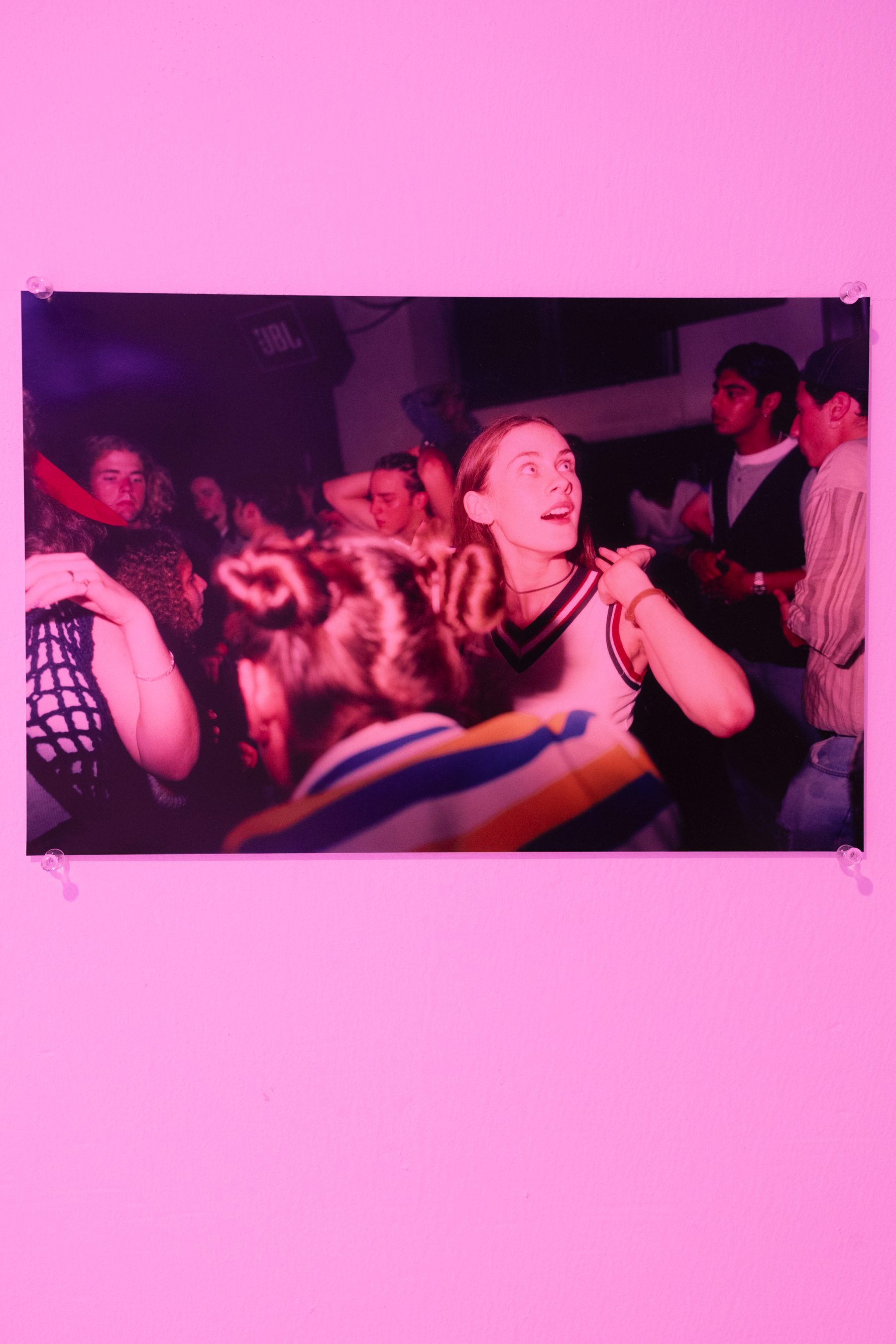
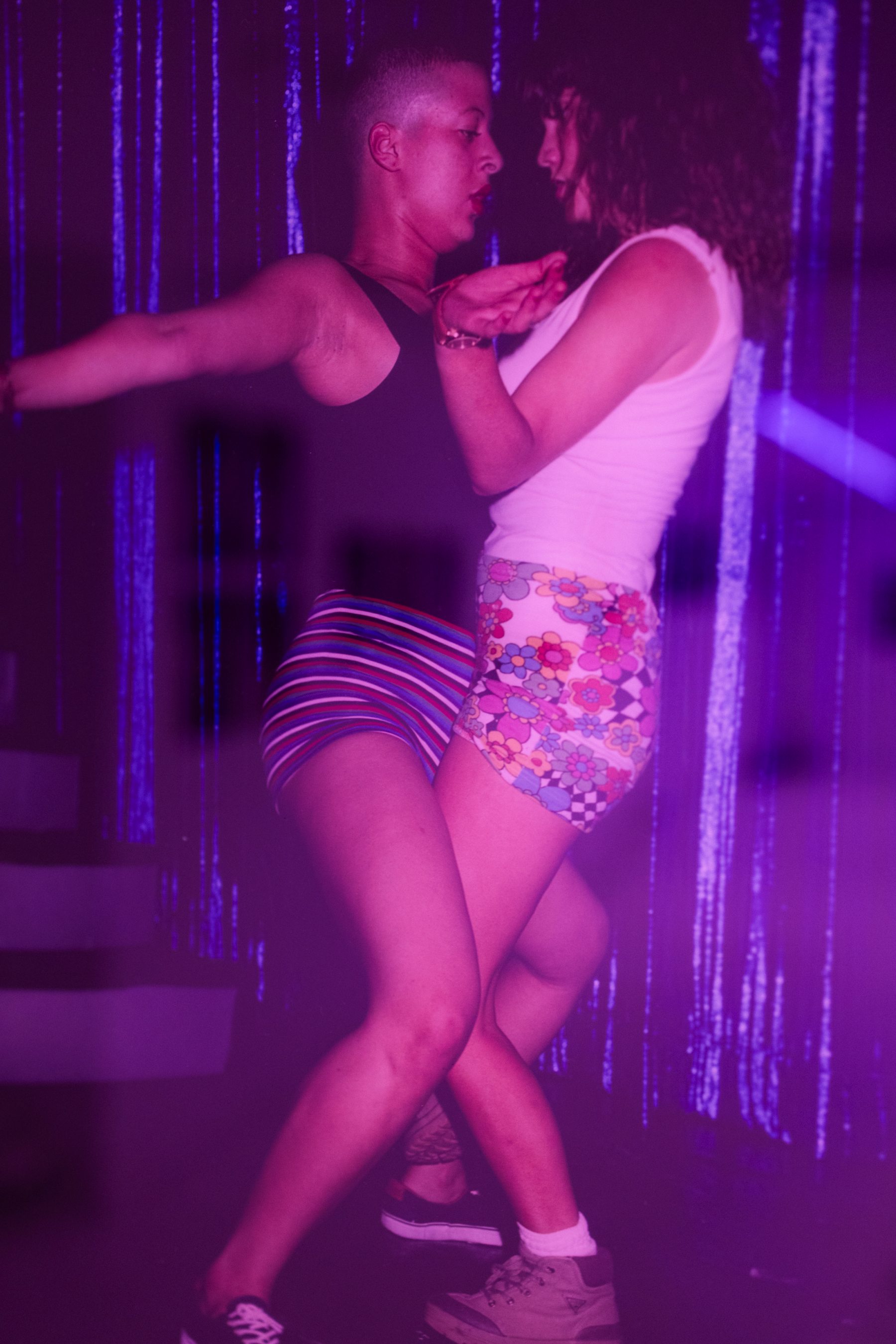
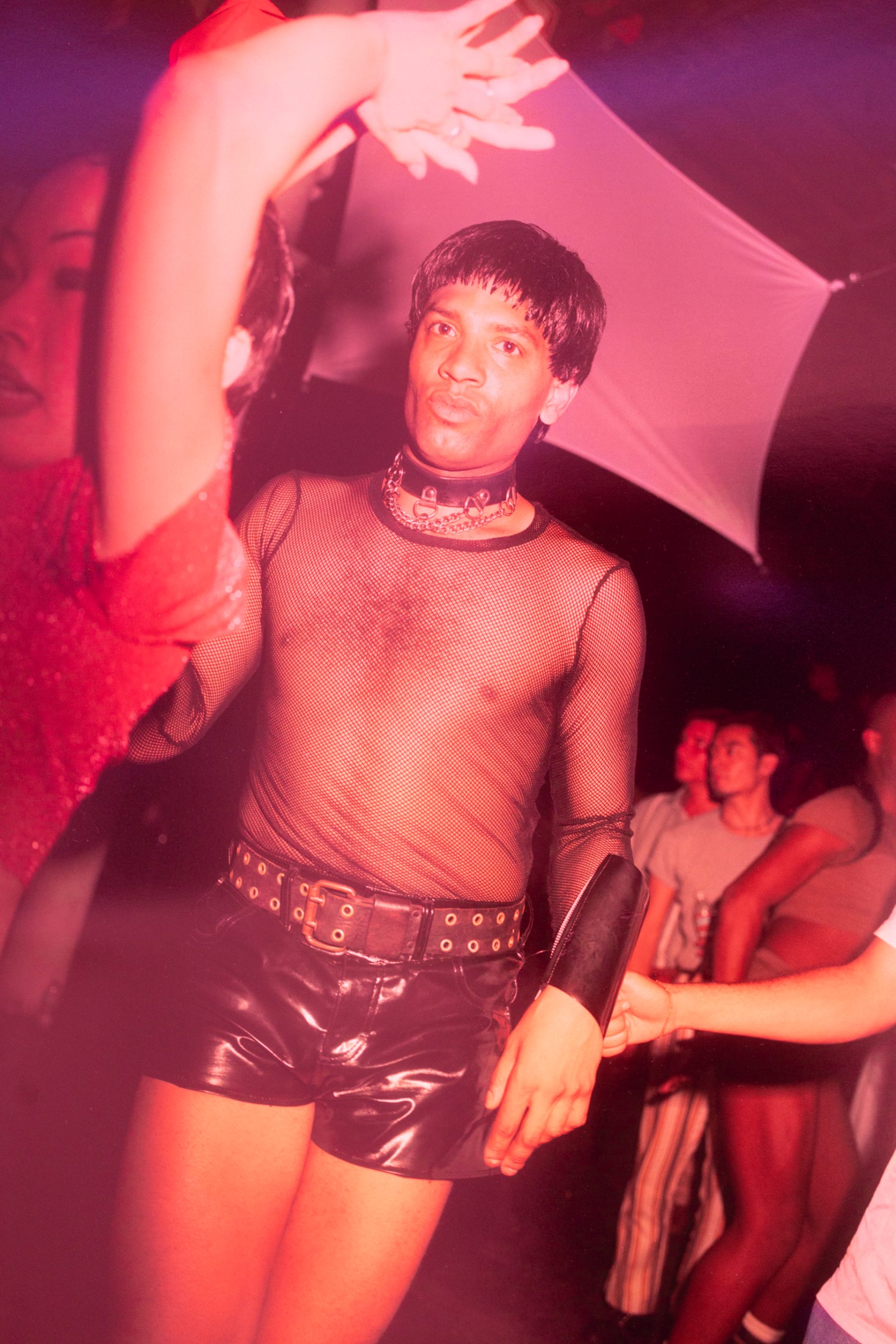
N: Hi, I'm Nick Waplington, welcome to my show. All the pictures in this show were taken in clubs between 1988 and 1994. So all the pictures are taken in the kind of sleazy, nightlife period when house and techno music, and what's now become known as raving, started here in New York. I would just go out every night clubbing and I would take pictures. As I got more immersed in it I'd go to different clubs and I'd ask to take pictures. But all these pictures were taken in New York before the Giuliani cleanup at clubs here when I was living here as a young person, just going clubbing, doing the odd little job when you didn't need so much money to live in New York City as you do today.
J: When I was looking through your archive of work, you seem to be connected to communities that are a bit outsider; can you tell us about this?
N. Yeah, that's one portion of my work and this has become a thing in the last few years—I think my wife has identified this—that if I get into some kind of outsider, smaller community, then I enjoy the life that those people are living and it becomes part of my life, and therefore I'm photographing my life and I'm photographing those communities as well, whether it's the council estate in Nottingham that became Living Room, because my grandfather lived on the estate and I went to live with him and I started to photograph his neighbors and friends.
Then I moved here to New York and I liked house music and clubbing. I moved here to New York and Avedon set me up with a bit of work here and there, and I was able to go out and go clubbing every night and do little jobs during the day.
And I just got into this whole thing of going to clubs like Save the Robots, Factory, Area, and Body and Soul, and I would just go clubbing every night, pretty much every night, maybe have one night off a week. I would take my camera and I took pictures of what was going on here, and I didn't actually look at the pictures for years. I had the film processed, I contact sheeted it, and I just shoved it away. Then, I guess about 10 years ago, I finally got it out and started to look through the pictures.
J: How would you describe, back then, what the community itself was like—the people, the time in the city and all that?
N: The city back then, obviously as a young person, you were able to live in New York very cheaply. You could go out; I had a friend who had an apartment that he didn't live in. I lived at Hotel 17 on 17th Street where they gave me a free room. A lot of my friends, they would work—they were hustlers, basically. So they would be working in the sex industry during the day and we would go out at night. And that was our life really, going around the clubs, the after-hours clubs; a lot of them were in the back rooms of gambling dens on 42nd Street. You'd go up all these stairs and there'd be all these guys playing cards, and it would be like a Wednesday afternoon and it would be blacked out and there would just be hundreds of people in there, fucked up, dancing—strange things like that. I was part of that community and I was young enough that I could do that and also hold it together to make some kind of living and survive. If I ever got really bad and I was really strung out, I would go back to the UK for a couple of weeks and recover.
J: Was the UK scene similar?
N: Yeah, the UK scene was similar. The things that I went to in the UK were definitely more kind of techno, rave-oriented. Whereas the clubs that I went to in New York were mainly the gay clubs. They had the best music. There was a shop called Vinyl Mania on Second Street where I used to buy records, and the DJs and the owners of that shop—whatever they were involved in was always really good.
And I would gravitate to their nights and they would be predominantly gay, but there'd always be like a club-kid area. There'd be people my age in there; we'd all be congregated in that area. And it's very nice, thinking back, that these predominantly hardcore gay clubs would always let us in and were always happy to have us there. The only place that was more kind of hetero that I enjoyed really was the Limelight. The Limelight had good nights. It was always fun—more club-kiddy nights, and then more mellow and Sunday afternoons at Body and Soul with François Kevorkian or whatever.
J: Are you a good dancer?
N: I used to dance a lot, yeah. Before my knees went from skateboarding. Yeah, I used to dance. These pictures are taken with a medium format 6x9 camera with a Metz flash, and I'm focusing the thing in the dark.
I would wait for things to build up and I would take pictures for maybe an hour or two, and then I would put everything in the bag and put it away and I'd join in the fun. I think that's the kind of thing with a lot of my work—it's the participation, same in Living Room. I'm never in a situation where I'm taking photos and I'm just photographing and then I finish photographing and I'm gone. I take photographs for a while, I stop, and then I'm part of everything. And then maybe I'll pick up the camera again and go for a short period of time and put it down. There's no work in it for me. It's just an enjoyment of being around people that I like and I empathize with.
J: Your book, Safety in Numbers. It seems related to this?
N: Yeah, Safety in Numbers is related to this, a little bit later. Safety in Numbers started out initially—I just wanted to hit the road for a year, and I was still clubbing and going out and doing things. It was a bit darker at that point. This [show] is definitely more euphoric and fun. Things had got a bit more gnarly at that point. So I made the very close-up portraits and landscapes; I was just taking this theme in a slightly different direction.
And then I moved on to Los Angeles, Japan, and London. I actually took a lot of pictures for that project, also in South Africa, but I've never published them. I went there for a while; I found it very hard. I've had this kind of weird relationship with South Africa. I found that—I wanted to see if I could break that down, and I was unable to do it. I took a friend of mine, who's Iranian American, to a New Year's Eve party at someone's house, and they were like, 'You can tell your boy to wait in the car.' I looked at him and said, 'We're out of here.' So I ditched all those pictures.
But yeah, Safety in Numbers—there are composite images and the kind of flow where—I edited it on Adobe software. It's the first time I made a book edited digitally on Adobe software. Before, with all my books, we'd gone to the copy shop and we made prints. That book is much copied, and people love it. That was shot in '95, '96, and I think it was published at the beginning of '97. I think they've published three or four rounds of it now. But this work is a happier side, a more naive time than that—but probably more druggy than that, if that was possible.
J: Does that relate to how you were feeling at the time? Were you happier at this earlier period?
N: Yeah—no, I don't know. The early nineties, there was a recession, and things were quite bleak, but somehow the nightlife was back. I have never been to a better club than the Sound Factory, which is the place that became Twilo on 27th Street. It was out of this world. By the time we got to Safety in Numbers, it was a bit later, and dance music had changed, became a little bit more organized, a little bit more together. Whereas, if you were around in '87 and '88, no one knew what was going on. This was a completely new phenomenon, it was exciting and strange, and I was just taking pictures of it. I always thought that if I want to take the pictures that I want to take, then I'm going to have a day job. The work that I want to make, this work, the Living Room work, Safety in Numbers, I would have to fund that from doing something else.
J: When you were making these projects, did you have an idea that you wanted to turn them into books back then?
N: Yeah, the intention was always to make a book out of the pictures, but there was never any expectation that I could—I knew I would have to fund it. Living Room has never made me any money, but it's got me jobs that gave me money to continue. Even though, back in the day, you'd be like, 'I don't do any jobs.' It's secret. If you're an art photographer, you don't do jobs. I just think my jobs are a way of getting money to make the work I want to do. I want to make art, and the art often—not always—is photography. And there isn't much of a commercial market for photography, especially now, it's collapsed, so you've got to find ways to fund it.
J: Can you tell us about your upcoming show in London?
I have a show coming up at Hamiltons Gallery in London. It opens June 26th. It will be these pictures and the pictures that I took at the same time of Isaac Mizrahi working in his studio. Mr. Avedon put us together and thought we would get on. And here we are again, 35 years later—we're still friends, and I'm hoping he'll be able to come to London. I made the work with him when the supermodel generation were going through his studio and he was making clothes on them, so I have all these amazing pictures of Linda Evangelista and Christy Turlington and Cindy Crawford—and he's fitting them out—Naomi Campbell. And I was just this kind of gruff-looking street urchin taking pictures in the corner. I was doing that during the day, while I was doing this at night.
J: This time for you sounded very prolific.
N: Yeah. When you are that age, you're in your early twenties, you can go pretty much around the clock. I'm in my fifties now—I can still work very long hours now. I get up 6:30–7:00 every day, and I'm not in bed till 1:30–2:00. I was what used to be called hyperactive—there's probably new names for it now. I've never had any drugs for it to slow you down. So, yeah, I can sleep four or five hours a night now, but I could sleep two hours a night then.
J: Did you think you learned from the skater culture, just the grinding, working hard too—or is that just how you are?
N: Skateboarding for me was an important community that I was part of. When the craze ended and it just got down to the hardcore people, that's when I really liked it. By the early 80s, when Thrasher started, a big magazine and I was back in England at that point. There were probably 50 people [in the scene]—we all know each other still. The evolution of skateboarding for me has been fascinating, a part of my life I've really enjoyed, and I have fantastic friendships I've made through skateboarding.
Now it's in the Olympics, and it's amazing to see how many people transition to arts from an outsider culture—skateboarding—for weird kids who find each other. It is quite art-centric. I've never made skate-related art, but I appreciate its role.
I'm left-handed, dyslexic, and make art—I look for transgressive things. I come from a nice middle-class background; my father was an eminent scientist. I obviously had a life of privilege—I just like making work. Every day, I wake up excited to do it. Once I found art, I was like, 'Yes, this is me.' All I want to do every day is make art.
「Before the Clean Up」展 ニック・ワプリントン インタビュー
Smilers: 431 East 6th Street, NYC
2025年3月6日〜4月5日
インタビュー:ジェームズ・マハー
翻訳:須々田美和
N: こんにちは、ニック・ワプリントンです。展示にようこそ。ここにある写真はすべて、1988年から1994年にかけてクラブで撮影したものです。つまりこれは、ハウスやテクノ、そして今では「レイヴ」と呼ばれるようになったカルチャーがニューヨークで立ち上がり始めた時代、少し退廃的で、夜の空気が濃く、独特の熱気があった時期の記録です。僕は本当に、毎晩のようにクラブに出かけていました。ほとんど毎晩です。そしてそこで写真を撮っていた。だんだんその世界に深く入り込んでいくにつれて、行くクラブも増えていき、その場で「撮っていい?」と頼みながら撮影するようになっていきました。
これらの写真はすべて、ニューヨークのクラブに対するいわゆるジュリアーニのクリーンアップが行われる前に撮影されたものです。当時の僕は若くて、ただクラブに通いながら、時々ちょっとした仕事をする、そんな生活をしていました。今のようにニューヨークで生きていくのに多くのお金が必要な時代ではなかったんです。
J: あなたの作品を見ていると、アウトサイダー的なコミュニティとの結びつきが感じられます。その点について教えていただけますか?
N: そうですね、それは僕の仕事のひとつの重要な側面だと思いますし、ここ数年で自分でもはっきりと認識するようになったことでもあります。たぶん妻が最初に指摘してくれたのですが、僕は何かしらのアウトサイダー的な、小さなコミュニティに入り込むと、そこで生きている人たちの生活そのものに強く惹かれてしまうんです。そしてその生活がそのまま自分の生活の一部になっていく。だから僕は、自分の人生を撮っているつもりでいて、同時にそのコミュニティの人たちの人生も撮っていることになるんです。
ノッティンガムの公営住宅で撮影した「Living Room」もまさにそうでした。祖父がその団地に住んでいて、僕もそこに一緒に住むようになり、彼の近所の人たちや友人たちを撮り始めたんです。その後ニューヨークに移り、ハウスミュージックやクラブに惹かれていきました。Richard Avedon がこちらで少し仕事を紹介してくれて、それによって生活の基盤を保ちながら、昼はちょっとした仕事をして、夜はクラブに出かける、という生活ができるようになりました。Save the Robots、Factory、Area、Body and Soulといったクラブに通い詰めて、本当にほとんど毎晩のようにクラブに行っていました。週に一日休むかどうか、というくらいの頻度です。カメラを持っていって、その場で起きていることを撮っていましたが、実はその写真をすぐに見返すことはありませんでした。フィルムを現像してコンタクトシートを作り、それをそのまましまい込んでいたんです。たぶん10年くらい経ってから、ようやくそれらを取り出して見始めました。
J: 当時のコミュニティや街の雰囲気はどのようなものでしたか?
N: 当時のニューヨークは、特に若い人間にとっては非常に安く暮らせる場所でした。外に出ることも自由で、たとえば僕の友人の中には、自分では住んでいないアパートを持っている人がいて、そこを使わせてもらったりもしていました。僕自身は17丁目のHotel 17に住んでいて、そこでは無料で部屋を提供してもらっていました。周りの友人たちは基本的にハスラーでした。つまり昼間はセックス産業で働き、夜になると一緒に遊びに出る。そういう生活でした。それが僕たちの生活で、クラブを回り、アフターアワーズのクラブにも行きました。そうした場所の多くは42丁目の賭博場の裏にあって、階段を上がっていくとカードをしている人たちがいて、その奥に空間がある。たとえば水曜日の午後なのに真っ暗で、何百人もの人がいて、みんなハイになって踊っている。そういう、少し現実離れしたような光景が広がっていました。
僕はそのコミュニティの一部でしたし、若かったからこそ、それをやりながらもなんとか生活を成り立たせることができていたんだと思います。もし本当に状態が悪くなって、完全に消耗してしまったときには、イギリスに戻って数週間過ごして回復し、それからまた戻ってくる、ということをしていました。
J: イギリスのシーンは似ていましたか?
N: はい、似ていました。イギリスで僕が関わっていたものは、よりテクノやレイヴ寄りだったと思います。一方でニューヨークでは、主にゲイクラブに通っていました。そこが一番音楽が良かったからです。
セカンドストリートにVinyl Maniaというレコードショップがあって、そこでレコードを買っていましたが、その店のオーナーやDJたちが関わっているイベントはいつも素晴らしかった。
だから自然とそういうイベントに惹かれていきました。それらは基本的にはゲイクラブでしたが、クラブキッズのエリアもあって、同年代の人たちがそこに集まっていました。
振り返ってみると、そうしたハードコアなゲイクラブが僕たちを受け入れてくれていたというのは、とてもいいことだったと思います。比較的ヘテロ寄りの場所で好きだったのはLimelightくらいでした。そこにも楽しい夜がありましたし、クラブキッズ的な雰囲気の夜もあれば、Body and Soulでの日曜日の午後のように、より穏やかで落ち着いた時間もありました。
J: ダンスは得意でしたか?
N: 昔はよく踊っていました。スケートボードで膝を痛める前は、本当によく踊っていました。
これらの写真は6×9の中判カメラとメッツのフラッシュで撮っていて、暗闇の中でピントを合わせながら撮影していました。場の雰囲気が高まるのを待って、1時間か2時間くらい撮影する。そしてそのあとカメラをバッグにしまって、あとはその場の楽しさに加わる。僕の作品はだいたいそういう関わり方です。「Living Room」でも同じで、撮影して終わりではなく、撮るのをやめてその場の一員になる。そしてまた少しだけ撮って、またやめる。僕にとってそれは仕事ではなく、自分が好きで共感できる人たちと一緒にいる、その延長にあるものなんです。
J: 『Safety in Numbers』との関係について教えてください。
N: はい、関係していますが、少し後の時期になります。最初は1年くらい旅に出たいと思って始めたプロジェクトでした。その頃もクラブに行ったりしていましたが、少し雰囲気は変わっていて、もう少し暗いトーンになっていました。この展示はより高揚感があって楽しいものですが、その頃は状況が少し荒れてきていた。だからより接近したポートレートや風景を撮り、同じテーマを別の方向に展開していきました。
その後ロサンゼルス、日本、ロンドンへ移動しました。南アフリカでもたくさん撮影しましたが、それは発表していません。そこでは難しい経験をして、乗り越えることができなかった。
友人を連れて行ったパーティーで差別的な扱いを受けて、その場を去りました。それでその写真はすべて手放しました。『Safety in Numbers』はAdobeで初めてデジタル編集した本で、それ以前はコピーショップでプリントして編集していました。1995〜96年に撮影し、97年初めに出版され、何度も再版されています。
J: 当時の気持ちとの関係は?
N: 90年代初頭は不況で厳しかったですが、ナイトライフは非常に活気がありました。Sound Factoryは最高のクラブでした。その後ダンスミュージックは整理されていきましたが、87〜88年頃は誰も何が起きているかわからない、新しい現象でした。僕はただそれを撮っていたんです。
J: 本にする意図は当時からありましたか?
N: ありました。ただ資金は自分で出す必要があると分かっていました。
仕事は制作のための資金源です。写真の市場は今ほぼ崩壊しているので、自分で方法を見つける必要があります。
J: ロンドンでの展示について教えてください。
N: Hamiltons Galleryで6月26日に展示があります。
この作品と、Isaac Mizrahi のスタジオで撮った写真を展示します。彼とはRichard Avedon の紹介で出会いました。Linda Evangelista、Christy Turlington、Cindy Crawford、Naomi Campbell などを撮影しました。
昼はスタジオ、夜はクラブという生活でした。
J: 多作な時期ですね。
N: 若いと一日中動けます。今でも長時間働けますが、当時は2時間睡眠でも平気でした。
J: スケート文化の影響は?
N: スケートボードは重要なコミュニティでした。コアな人たちだけになった頃が一番好きでした。
今はオリンピック競技になり、アウトサイダー文化からアートへ移る人も多い。
僕は左利きでディスレクシアで、越境的なものに惹かれます。父は科学者で、恵まれた環境でしたが、とにかく作ることが好きなんです。毎朝、作りたいと思って目覚める。アートに出会って「これだ」と思いました。毎日やりたいのは、ただ作品を作ることだけです。
J: イギリスのシーンは似ていましたか?
N: うん、似ていました。似ていましたね。
イギリスで僕が行っていたものは、もっとテクノとかレイヴ寄りでした。よりそういう方向でした。一方で、ニューヨークで僕が行っていたクラブは、主にゲイクラブでした。ほとんどがそうでした。
そこが一番音楽が良かったからです。本当にそうでした。
セカンドストリートにVinyl Maniaという店があって、そこで僕はレコードを買っていました。
そして、その店のDJやオーナーたちが関わっているものは、いつも本当に良かった。常に良かったんです。
だから僕は自然と、彼らがやっている夜に引き寄せられていきました。
そういう場所に行くようになりました。それらは基本的にはゲイ中心のクラブでしたが、クラブキッズのエリアもあって、
そこには僕と同じくらいの年齢の人たちがいて、みんなその一角に集まっていました。固まっていました。
今振り返ってみると、そういうハードコアなゲイクラブが、僕たちを受け入れてくれていたというのは、とてもいいことだったと思います。本当にそう思います。
ヘテロ寄りの場所で僕が好きだったのは、実際のところLimelightくらいでした。
Limelightは良い夜がありました。楽しかったです。クラブキッズっぽい夜もあったし、もっと落ち着いた感じの夜もあった。
それから日曜日の午後にBody and Soulに行って、フランソワ・ケヴォーキアンがやっているような時間もありました。そういう時間もありました。
J: ダンスは得意でしたか?
N: 昔はよく踊っていました。うん、本当によく踊っていました。
スケートボードで膝を痛める前は、かなり踊っていました。これらの写真は、中判の6×9カメラとメッツのフラッシュで撮影しています。
暗闇の中でピントを合わせながら撮っていました。本当に暗い中で。僕は、場のエネルギーが高まるのを待って、それから撮り始めるんです。
そして1時間とか2時間くらい撮る。それから全部バッグにしまって、片付けて、そしてそのままその場に加わる。
楽しみに参加する。僕の仕事はだいたいそういうやり方です。
「Living Room」でも同じです。僕はただ写真を撮って終わる、ということはありません。
撮って、終わって、帰る、ということはない。しばらく撮って、やめて、それからその場の一部になる。
完全にその中に入る。
そしてまたカメラを持って、少しのあいだ撮って、またやめる。
そういう繰り返しです。
僕にとってそこに「仕事」という感覚はありません。
ただ、自分が好きで、共感できる人たちの周りにいる、そのこと自体が楽しいんです。
J: あなたの本『Safety in Numbers』は、この流れと関係していますか?
N: うん、関係しています。関係していますが、少し後の時期です。
少し後です。
『Safety in Numbers』は最初、僕は1年くらいどこかに行きたい、旅に出たいと思って始めました。
そういう気持ちから始まりました。そのときもまだクラブに行ったりしていましたし、いろいろ外に出ていました。
ただ、その頃は少し雰囲気が変わっていて、少し暗くなっていました。少しダークでした。
この展示は、もっと高揚感があって、もっと楽しいものです。
でもその頃になると、状況は少し荒れてきていました。より荒れていました。だから僕は、もっと近づいたポートレートや、風景を撮るようになりました。
同じテーマを、少し違う方向に持っていったんです。そのあと、ロサンゼルス、日本、ロンドンに移動しました。
そして南アフリカでもたくさん撮影しました。でもそれは一度も発表していません。
一度も出していません。しばらくそこに滞在しましたが、とても難しく感じました。
僕にとっては難しい場所でした。
南アフリカとは、少し奇妙な関係があります。
ずっとそういう関係です。
それを壊せるかどうか試したかったんですが、結局できませんでした。
できなかった。
友人を連れて行ったんです。彼はイラン系アメリカ人なんですが、
新年のパーティーに一緒に行ったときに、「その友達は車で待たせておいてくれ」と言われたんです。そのとき僕は彼を見て、「ここを出よう」と言って、その場を離れました。
すぐに出ました。それで、南アフリカで撮った写真は全部やめました。
全部手放しました。『Safety in Numbers』について言うと、あの本はコンポジット的なイメージや流れを持っています。
Adobeのソフトで編集しました。デジタルで編集したのはあれが初めてでした。
それ以前は、すべてコピーショップに行って、プリントを作っていました。あの本はとても多くコピーされましたし、多くの人に好かれています。
1995年と96年に撮影して、97年の初めに出版されたと思います。
そのあと3回か4回は再版されていると思います。この展示の作品は、それに比べると、もっと幸福で、もっと無垢な時間のものです。
ただ、もしそれが可能だとすれば、もっとドラッグに満ちていた時期でもあるかもしれません。
J: 当時の気持ちとも関係していますか?
N: そうですね……どうだろう。
90年代初頭は不況でした。状況はかなり厳しかったです。
でもなぜか、ナイトライフは戻ってきていました。
活気がありました。
僕がこれまで行った中で一番良いクラブはSound Factoryです。
27丁目にあった場所で、後にTwiloになりました。本当に別世界でした。
信じられない場所でした。
『Safety in Numbers』の頃になると、少し後の時代になります。
ダンスミュージックも変わっていて、もう少し整理されていました。まとまっていました。
でも87年や88年の頃は、誰も何が起きているのか分かっていなかった。
本当にそうでした。
完全に新しい現象で、とてもエキサイティングで、そして奇妙でもあった。
僕はただそれを撮っていたんです。僕はいつも思っていました。
自分が本当に撮りたい写真を撮るためには、日中の仕事を持たないといけない、と。この作品や「Living Room」や『Safety in Numbers』は、
すべて別の仕事で稼いだお金で成り立っていました。
J: 当時から本にするつもりはありましたか?
N: うん、ありました。常にありました。
写真を本にするつもりはいつもありました。
ただ、それができるとは思っていませんでした。
自分で資金を出さないといけないと分かっていたからです。「Living Room」はお金を生みませんでした。
でもそれが仕事につながりました。
当時は、「アートフォトグラファーは仕事をしない」という考え方がありました。
秘密みたいなものです。
でも僕にとって仕事は、お金を得るための手段です。
自分がやりたい作品を作るための。
僕はアートを作りたい。
そしてそのアートは、多くの場合写真です。でも写真には大きな商業市場はありません。
特に今はほぼ崩壊しています。だから資金を得る方法を見つけないといけないんです。
J: ロンドンでの展示について教えてください。
N: ロンドンのHamiltons Galleryで展示があります。
6月26日にオープンします。
この写真と、同じ時期に撮った、Isaac Mizrahi のスタジオでの写真を展示します。
彼とは、Richard Avedon が引き合わせてくれました。
僕たちはうまくいくと思ったんだと思います。
それから35年経って、今でも友人です。
彼がロンドンに来てくれるといいなと思っています。
そのときはスーパーモデルの時代で、
Linda Evangelista、Christy Turlington、Cindy Crawford、Naomi Campbell がスタジオに来ていました。彼はそこで服を作っていて、僕は隅で写真を撮っていました。
昼はそこで、夜はクラブで撮っていました。
J: とても多作な時期ですね。
N: その年齢ならそうできます。
20代前半なら、ほぼ一日中動けます。
今は50代ですが、それでも長時間働けます。
毎日6時半か7時に起きて、1時半か2時まで起きています。
昔はハイパーアクティブと言われていました。
今は違う言い方があるかもしれません。
薬は使ったことはありません。
今でも4〜5時間睡眠ですが、当時は2時間でも平気でした。
J: スケート文化の影響はありますか?
N: スケートボードは重要なコミュニティでした。
ブームが終わってコアな人だけになったときが一番好きでした。80年代初頭、Thrasherが始まった頃、
シーンには50人くらいしかいませんでした。
今でもみんな知り合いです。スケートボードの進化はとても興味深いです。
人生の大事な部分です。今はオリンピック競技になっています。
アウトサイダー文化からアートに移る人も多い。僕は左利きでディスレクシアで、アートを作ります。
越境的なものに惹かれます。父は科学者で、中流家庭でした。
でも僕はとにかく作品を作るのが好きなんです。毎朝起きると作りたくなる。
アートに出会って「これだ」と思いました。
毎日やりたいのは、それだけです。
作品を作ることです。