“Unposed and Unfiltered: Kate Vitali on Intimacy, Chaos, and Community”
"These Photos Aren't of You" by Kate Vitali
Published by Visigoth Invasion, NY, 2025.
Kate Vitali Interview by James Maher
Maher: Would you mind giving us an introduction?
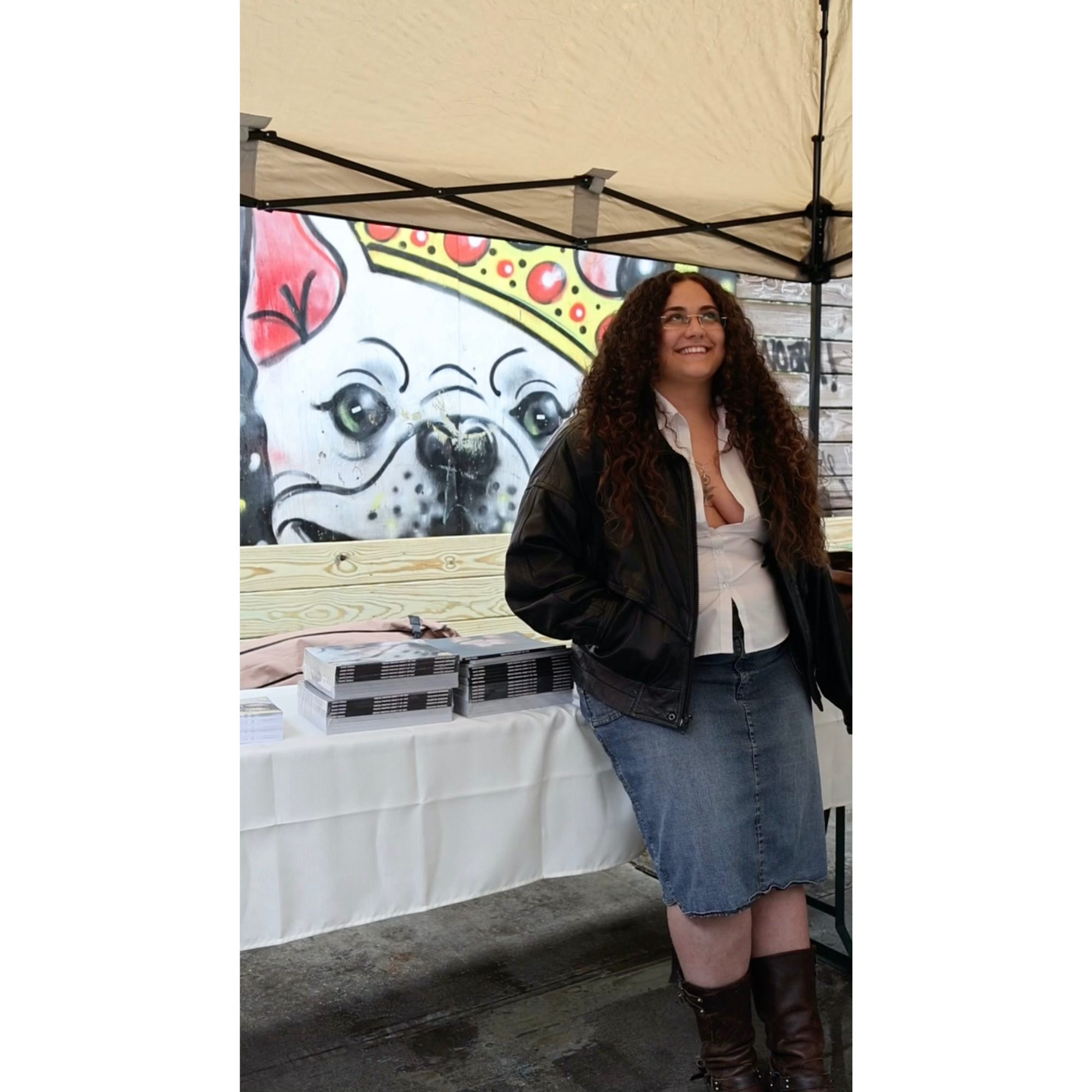
Vitali: Hi, my name is Kate Vitali. We're at my book launch in Bed-Stuy for my book called These Photos Aren’t of You.
I was born in Brooklyn and moved to New Jersey when I was about two. My mother is an artist. She swears that since I was five years old, I started taking photos. She said that one day she picked up her old chunky digital camera from the early 2000s and she saw a bunch of photos of my twin brother. She knew I had taken them and she was looking at them and was like, ‘Oh my God, some of these are pretty good!’ And she was like, ‘Okay, this is what you're doing now.’ She harnessed my passion and my talent. I went to the ICP Teen Academy when I was 13, I was a teacher's assistant in all of high school for my photo teacher, and then I did a bunch of freelance work when I was a teenager. Then I studied photography at the Pratt Institute.
Maher: Can you tell us about the book?
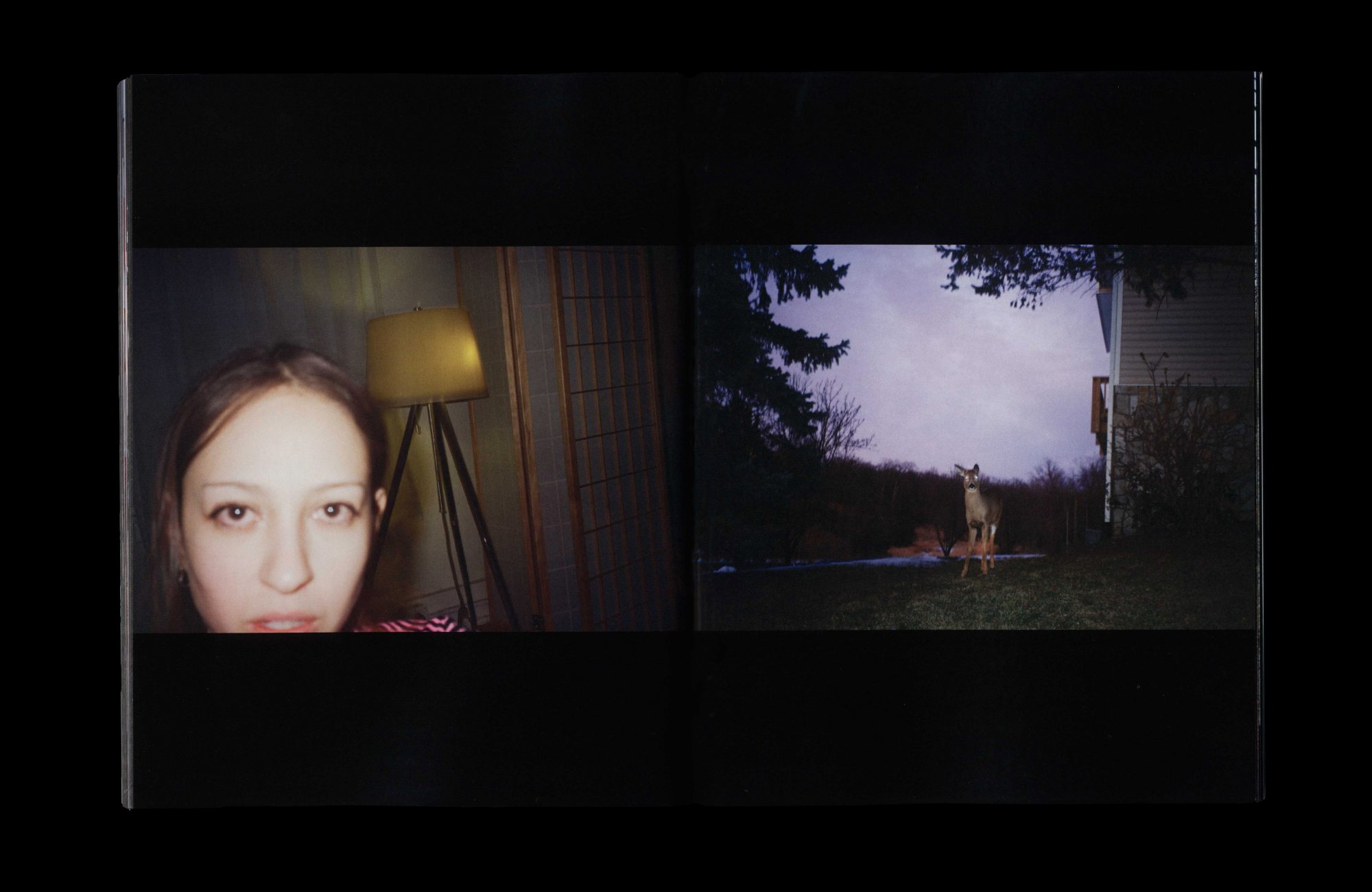
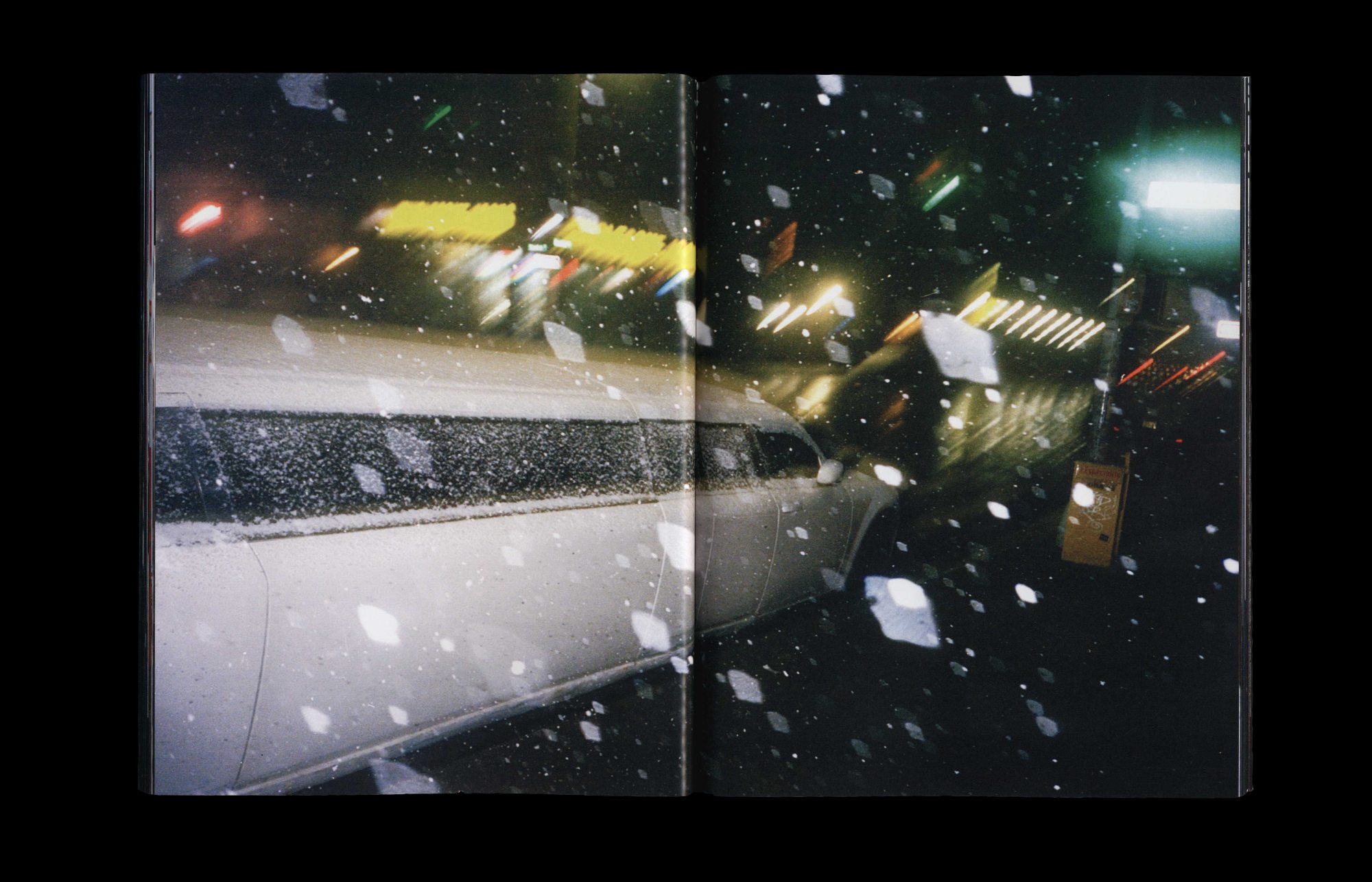
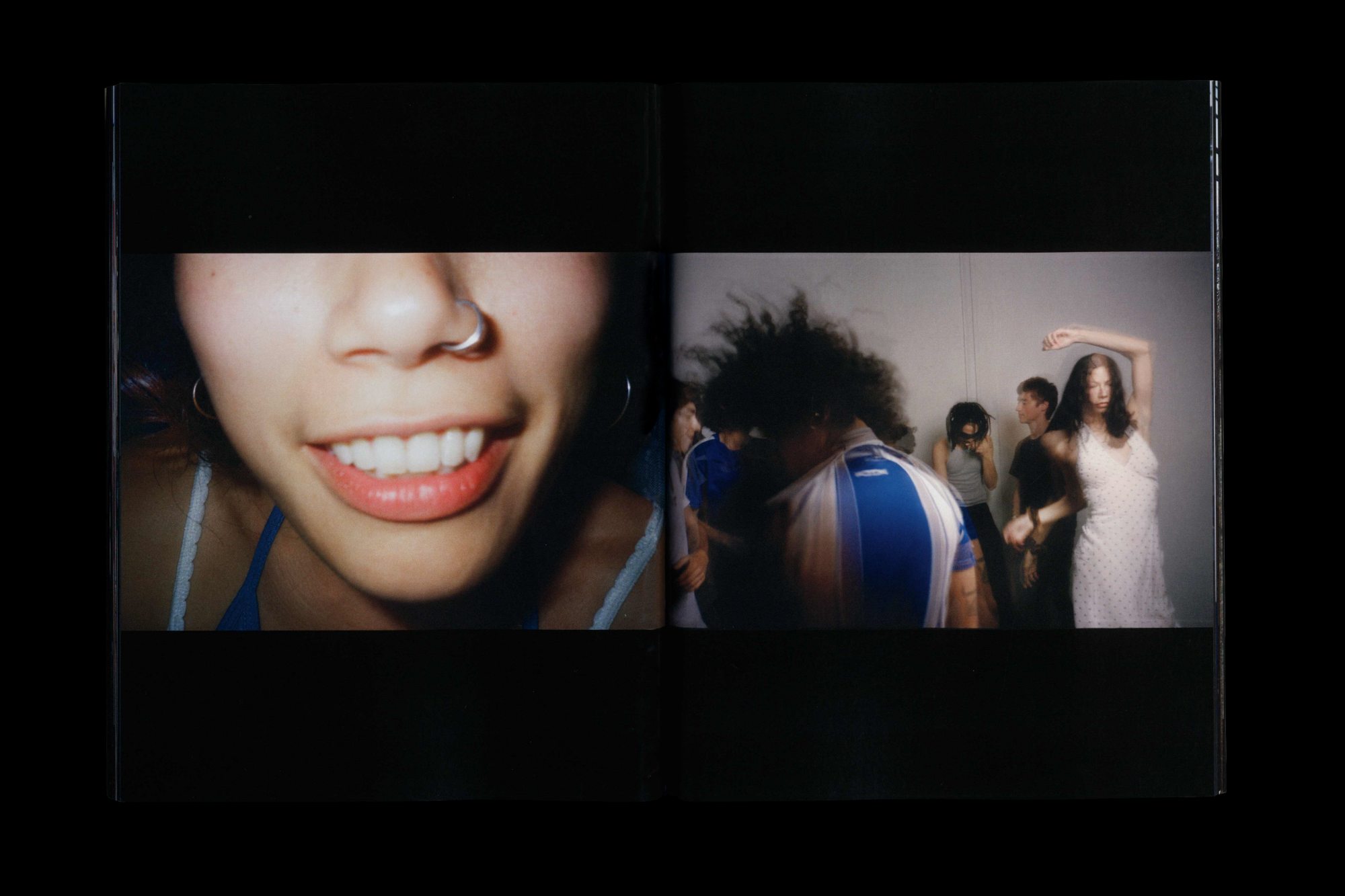
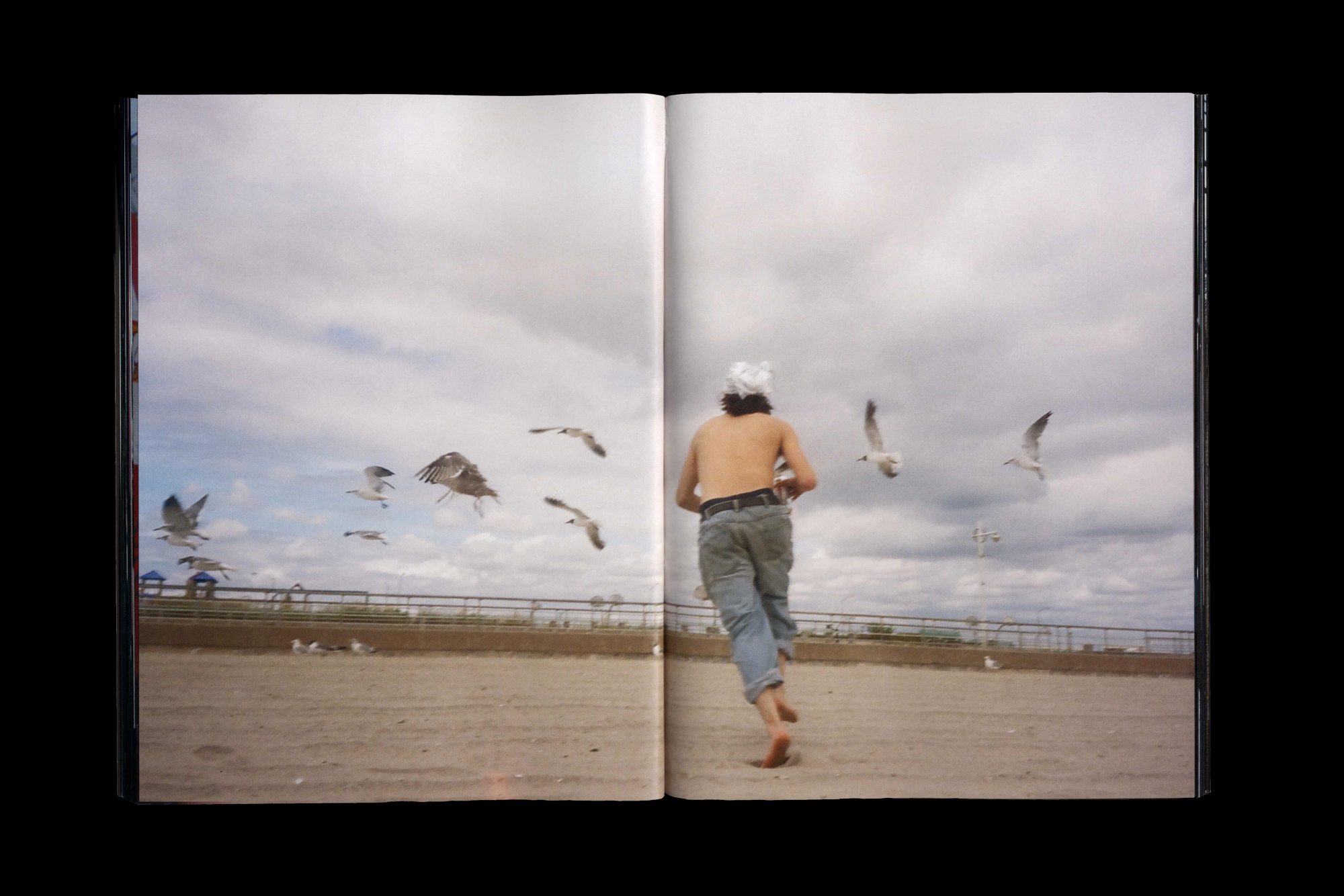
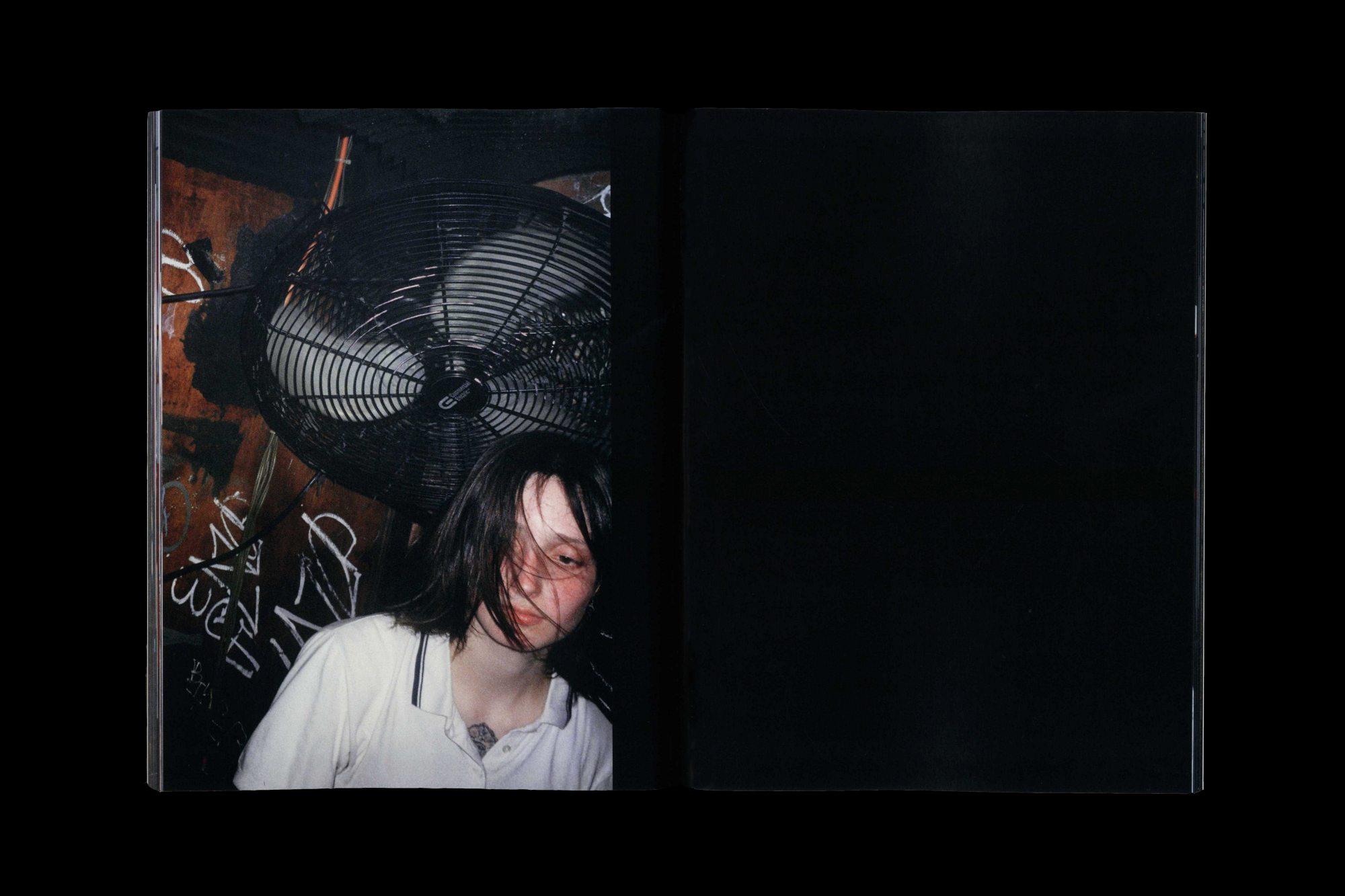
Vitali: This book is moments throughout the chaos of the night. It’s the in-between moments, finding people caught off guard, not aware of having their photo taken. It’s very day-to-night, like a journey through a night out. It starts more concrete and gets a little more ‘what the fuck’ as it goes. Once you hit the white limo in the snow, things change. Now you’re walking home, you’re tired, you’re recalling your night and thinking about that dead deer you saw. It’s more psychological than I thought it would be.
Maher: How was the party?
Vitali: Oh my God. It was unbelievable. So many fucking people came. I just woke up the next morning and I was saying love was flowing out of my ears 'cause I just felt so supported, loved, and very full of gratitude. I felt very lucky to have this community. It was so, so sweet.
I don't think my work could exist without my community of other creative people. Not only are they photos of the people in the community, but they accept me and let me flourish—take me for who I am. You know, my work is such an extension of myself and my personality. I feel like when I'm being genuine with all these people around, my work is also genuine and intentional. It’s so connected to me and my personality, and everyone seems to be accepting both me and my work really well.
Maher: Do you feel a need to connect with lots of people in your life, in your work?
Vitali: Yeah, I'm a very social person. I'm very extroverted. But also, with networking and trying to make connections with people. It all ends up meshing well together.
Maher: Can you talk more about how you integrate photography into your life? Did you use a small camera for this book? Can you give us a sense of what that was like?
Vitali: I think the work especially in the past five or six years—having gone to Pratt and graduating and navigating through all the social scenes and social spaces—the type of camera that I use and the way that I use it has become so essential. And specifically, the point-and-shoot camera, which has become very trendy these days. I think it is so essential to the way I navigate through the space, having something I can fit in the palm of my hand, and being able to get that shot quickly before somebody notices it. A big part of it is being sneaky. The more posed stuff totally happens, but I think what my editor and I came to realize going through my archive was that the more interesting and emotional photos were the moments between those more posed moments, the more candid. There are a lot of blurry photos in the book. It’s this moment of half-truth; they're not trying to present themselves a certain way or know, ‘Oh, this might go on Kate’s Instagram.’ So yeah, I think having a small camera, being sneaky, having those moments in between the more posed moments, that’s like the main backbone of the book for sure.
Maher: Can you elaborate on the bookmaking process with your editor?
Vitali: Working with my editor, Quin Cunningham, was unbelievable. I've never worked with an editor before. I've never had somebody else look at my work in such a specific and intentional way, like working towards this end goal. I needed and wanted somebody to give an objective point of view to my work because I have such an intense relationship with it. It's very loaded. I wanted somebody removed from my social scene who didn’t know any of my friends. And he ended up fitting perfectly. We met together every week for eight months. He was able to give me the objective opinion that I needed, of just like, ‘This is a good photo, and other people will find it interesting.’ Instead of somebody being like, ‘Oh, this party was so fun,’ or ‘Oh, I love this person, you have to put them in the book.’ He was really, really good at curating what my eye is and what I’m interested in—which I don’t even know sometimes, you know? It’s awesome to have somebody else come in and be like, ‘This is what you’re doing, and this is what you’re interested in.’ And then I’m like, ‘Oh, duh.’ Like, thank you for putting it into words. This was separate from my work at Pratt. My teachers who I love so much, my professors, and my classmates, nobody ever gave me a critique on this work, which is why it was so important to have somebody like Quin come in.
We proofed it literally 10 times. I thought that the first proof we made, I was like, ‘Oh, we’re one away.’ And then every time we got a new proof it was like, ‘This needs to change.’ So much changed. If you looked at the first proof to now, they look so, so different. And I was still making work while we were putting the book together. The most recent photo is from December or January when we were halfway through making the book.
Maher: Can you talk about the experience of making such revealing and intimate work, of both yourself and your friends?
Vitali: With the work that's in the book, I have spent so long doing it that it gets to a point where it just feels like second nature. I’m not really thinking about it anymore—like how personal it may or may not be, or vulnerable, or any of that. It sort of is just like, I can’t not do it. Like, I have to do it. I really want to do it, which ends up feeling like I have to, in a good way.
The work I was making in school was extremely personal and extremely vulnerable. Like literally, being like naked as fuck in the Pratt gallery, in the photos. I was already aware of how it felt. You just get to a point where you’re like, ‘Fuck it.’ And I try not to take it or anything too seriously. With my community, I think everybody sort of knows what I’m doing now and that it might go on my Instagram or it might go somewhere. You know, with the more explicit photos, I tell them that I’ll save it for like my MoMA retrospective in 50 years—you know, when we’re all way older and are like, ‘Awwww, we were so young and stupid and whatever.’ Everyone has just sort of come to terms with like, if you’re around me, you’re at risk. You are subject to my eye and my gaze and my camera.
If you’re kissing around me, if you’re peeing on the street around me, if you’re doing something that falls into the subgenres of my work—they probably have a good idea that they’ll see a flash soon. Everybody should be signing a contract when they become my friend that I might take photos of you in your vulnerable moments. But you’ll be happy that I did, like 20 years from now. Which is also why I do all of this. That comes with the territory of photography—you know, time, memory, all that bullshit. It’s all very wholesome. For now, but also for later.
Maher: Even though these may be not traditionally flattering moments, they still feel flattering to me in a way, like there’s a kind eye behind the camera.
Vitali: Thank you. I hope so. Whenever I am taking these people’s pictures, it is so out of love and joy, which is such a classic cliché, you know? It’s like love and community and love for my people and this generation of creatives around me. And how I felt after the book launch, love is literally flowing out of all parts of me.
Maher: Can you talk about Instagram and social media? On one hand, it’s a life a lifeline… the lifeline. But at the same time, there's so much conflict behind the app and issues that it can cause, such as self-image. Do you mind just spit balling about that?
Vitali: I was thinking about our previous conversation when you asked if the kids were all right and I was like, ‘The kids are all right—it’s just the phones really fucked us.’ And it’s true. Instagram, especially for creative people and myself included, is so important for building that community that we were talking about and getting jobs even. I sold out of all my books this past week and I would about 75% of that was Instagram. And that’s how I built this whole persona, this ‘Kate Shoots Film’ persona—it was totally 100% through Instagram.The dark-sided underbelly of Instagram is so terrible and grim and just so bad for my brain. If I wasn’t doing what I do, if I wasn’t in this creative field, I would like to not have Instagram. The shit that we’re fed and have been fed since we were so little is so damaging. You have to catch yourself when you find yourself in that spiral. It’s such a double-edged sword because there’s so much good stuff on there and good art, great art, great people. I’ve made so many connections and seen so many things that have contributed to myself and my practice. But yeah, the evil dark side is so, so real and we’re all feeling it. This is something that me and my friends talk about all the time and we’re always like, ‘We’re gonna get flip phones and not have social media and just call each other and hang out at the park,’ And like, in a perfect world, yes—but I also need to pay my rent and get these jobs.
Like just before this somebody DM’d me on Instagram asking if I can do a freelance, and I think that’s how a lot of my other creative friends get their work sold or anything like that. It’s very good, but it’s very terrible.
And being a woman on Instagram is a whole other can of worms. Being a woman artist on Instagram is so hard. And in person, I’ve had some dudes come up to me and sort of talk down to me about my Instagram and my photographic practice in a way that feels off—and these are other art dudes, our age. They’re like, ‘Oh, your little Instagram, your little point-and-shoot camera, you’re trendy…’ you know? ‘All the girls have their film camera and their little digital cameras,’ suggesting that maybe what I’m doing is not original or whatever. But it’s like… I don’t really give a fuck. Or I try not to. The implications are extremely weird and nuanced. Something that is being more understood every day. And Instagram started as an app for photographers to share their work. I’m going back to the roots, you know?
Maher: Can you tell us about your time at Pratt?
Vitali: Pratt was the best. I rave about it to this day. Whenever somebody asks how my time was at Pratt, I just rave about it. The faculty there is amazing—the photo faculty specifically is amazing. I still keep in touch with my professors.
I started Pratt in 2019. My freshman year was right before COVID. We had a normal fall semester of foundation year, then we started our spring semester and we got sent home for what we thought was two weeks. I ended up having to do a hybrid sophomore year—which, like, art school and being online does not make any sense whatsoever.
We were mainly online about two-thirds of the time, and then the other third we were going in masked up and with maybe six or seven other people in the class. Which was weird, but I don’t even think about it as much anymore because my junior and senior years were so incredible. I learned so much; it was so fulfilling. Going to a true art school—not one inside a bigger school like Tisch or Parsons—you just get an experience that you can’t get anywhere else. Being surrounded by all creative people, people trying to do the same thing or interested in the same stuff as you, is so important. It makes you feel like, ‘Oh, I’m not crazy.’
There are people who understand me, adults who understand me and my practice. All the friends I made there are still my best friends. My professors too. It’s all love. I love that school so much, I love being in school, I love being in a classroom—it’s worth being $200,000 in debt. Everyone asks me, ‘Is it worth it?’ I wouldn’t trade it for the world.
Maher: I like that you used the word ‘crazy’ because I’m guessing in the walls of Pratt, crazy is a good thing. Outside, they use it differently.
Vitali: Yeah, especially if you saw my project Richard—he looks fucking crazy. Richard was a seven-foot soft sculpture of a man that I made. Very absurd, absurdist, satirical figure for my thoughts and considerations on sexuality, gender, and the patriarchy. Just like being a woman, and all that comes with it. I lived with him for two years and brought him around, made a bunch of films, and took self-portraits with him. He was a very big part of my life. The shit I was doing with Richard my senior year was balls-to-the-wall insane. The crazier it got, the more people fucked with it. People were like, ‘She does not give a fuck. She is doing what comes to her.’ And that’s what brought people in. Richard was an icon at school. People would be like, ‘Where’s Richard? Kate and Richard. I’ve seen you before, with that doll.’ All because I said, ‘Fuck it, I’m going to walk around with this seven-foot sculpture for two years.’ And people ate it up. They loved it.
Maher: Where do you want your career to go?
Vitali: Right now, I’m very much involved in trying to get my name out there. Essentially what I do is more documentary. The dream is for people to say, ‘I want Kate Vitali to shoot this. I want her eye on it.’ I’m also trying to be more intentional with how I light things, just to have more time to think about what I’m doing. I’m not going to be 23 forever, hanging out with the same people. I want my practice to grow with me, stay consistent with my eye, and evolve with the places I’m in and the people I’m around.
Kate Vitali (b. 2001) is a photographer working in New York. Vitali was born in Brooklyn and grew up in Maplewood, New Jersey where she began taking photographs at the age of four. Vitali graduated from Pratt Institute in 2023 with a BA in Photography and concentration in film and video. She shoots frequently, often at the request of her friends, and is drawn to their dirty, frayed edges rather than the smiles they put on for the camera.
Vitali’s non-photographic practice includes Richard (2021-2023), a long-term multimedia project bridging soft-sculpture, film, and photography, centered on a larger-than-life, anatomically correct male doll named Richard who acted as a satirical avatar for Vitali’s consideration of power, sexuality, and the absurd.
Vitali’s work has been featured in Interview Magazine and Office Magazine and she has directed music videos. Her work has been exhibited in New York and Los Angeles.
@katevitalii
https://katevitali.com/
「飾らない視線で──ケイト・ヴィターリが語る親密さ、混沌、そしてコミュニティ」
ケイト・ヴィターリ インタビュー
『These Photos Aren’t of You』ケイト・ヴィターリ著
ヴィジゴス・インヴェイジョン刊(ニューヨーク)2025年
インタビュー:ジェームス・マハー
翻訳:須々田美和
マハー:
自己紹介をお願いしてもよろしいですか?
ヴィターリ:
こんにちは、ケイト・ヴィターリです。
いまはブルックリンのベッドスタイで行われている、私の写真集『These Photos Aren’t of You』のブックローンチに来ています。
私はブルックリンで生まれて、だいたい2歳くらいのときにニュージャージーに引っ越しました。
母はアーティストです。母は、私が5歳の頃から写真を撮り始めていたと断言しています。
ある日、母は2000年代初頭の古くて大きめのデジタルカメラを手に取りました。そしてその中に、私の双子の兄の写真がたくさん入っているのを見つけました。母はそれが私が撮ったものだと分かっていました。
母はそれらの写真を見ながら、「ちょっと待って、これけっこういいじゃない!」と思ったそうです。
そして母は「よし、じゃああなたはこれをやるのね」と言いました。母は私の情熱と才能をうまく引き出してくれました。私は13歳のときにICPのティーン・アカデミーに通いました。高校のあいだはずっと、写真の先生のティーチングアシスタントをしていました。そして10代のあいだに、フリーランスの仕事もいろいろやりました。その後、プラット・インスティテュートで写真を学びました。
マハー:
その本について教えてもらえますか?
ヴィターリ:
この本は、夜の混沌の中にある瞬間についてのものです。それは、その混沌の中にある「あいだ」の瞬間です。人が不意を突かれている瞬間を見つけること、そして写真を撮られていることに気づいていない状態の人たちを見つけることです。とても昼から夜への流れのような構成で、夜の外出をたどっていく旅のようなものです。最初はより具体的で、進んでいくにつれて少し「なんだこれ」という感じになっていきます。雪の中の白いリムジンの場面にたどり着くと、物事が変わります。
そこからは家に歩いて帰っているところで、疲れていて、夜のことを思い出していて、見たあの死んだ鹿のことを考えています。思っていたよりも、より心理的なものになっています。
マハー:
その本について教えてもらえますか?
ヴィターリ:
この本は、夜の混沌の中にある瞬間についてのものです。
それは、その混沌の中にある「あいだ」の瞬間です。人が不意を突かれている瞬間を見つけること、そして写真を撮られていることに気づいていない状態の人たちを見つけることです。とても昼から夜への流れのような構成で、夜の外出をたどっていく旅のようなものです。最初はより具体的で、進んでいくにつれて少し「なんだこれ」という感じになっていきます。雪の中の白いリムジンの場面にたどり着くと、物事が変わります。そこからは家に歩いて帰っているところで、疲れていて、夜のことを思い出していて、見たあの死んだ鹿のことを考えています。思っていたよりも、より心理的なものになっています。
マハー:
あなたは、人生においても作品においても、多くの人とつながる必要を感じますか?
ヴィターリ:
はい、私はとても社交的な人間です。私はとても外向的です。でも同時に、人とのつながりを作ることや、人脈を広げようとすることもしています。そしてそれらはすべて、うまく混ざり合っている感じになります。
マハー:
写真をどのように生活の中に取り入れているのか、もう少し詳しく教えてください。
この本では小さなカメラを使っていましたか?どんな感じだったのか教えてください。
ヴィターリ:
特にここ5年から6年のあいだの作品について言うと、プラットに通って卒業して、さまざまなソーシャルなシーンや空間を移動していく中で、私が使うカメラの種類とその使い方はとても重要なものになっています。そして特に、ポイント・アンド・シュートのカメラです。それは最近とても流行っています。
私は、それが空間の中を動いていく方法にとってとても重要だと思っています。
手のひらに収まるものを持っていて、誰かがそれに気づく前にすぐに撮影できるということです。
その大きな部分は、こっそり撮ることです。ポーズをとった写真ももちろんあります。
でも、編集者と一緒にアーカイブを見ていく中で気づいたのは、より面白くて感情的な写真は、そうしたポーズをとった瞬間と瞬間のあいだにあるものだということでした。より自然な瞬間です。この本にはブレている写真がたくさんあります。それは半分だけ真実の瞬間です。彼らは自分を特定の見せ方で見せようとしているわけでもなく、「これがケイトのインスタに載るかもしれない」と分かっているわけでもありません。
だから、小さなカメラを持っていること、こっそり撮ること、ポーズされた瞬間のあいだの瞬間を持っていることが、この本の主な骨組みになっています。
マハー:編集者との本づくりのプロセスについて、もう少し詳しく話してもらえますか?
ヴィターリ:編集者のクイン・カニンガムと一緒に仕事をしたことは、信じられないくらい素晴らしい経験でした。私はこれまで編集者と一緒に仕事をしたことがありませんでした。そして、自分の作品をこんなにも具体的で意図的な形で、最終的なゴールに向かって見てもらうという経験もありませんでした。
私は自分の作品に対してとても強い関係を持っていて、それはとても重たいものです。だから、客観的な視点を与えてくれる人が必要であり、そういう人を望んでいました。自分のソーシャルな環境から離れていて、私の友人を誰も知らないような人が必要でした。そして彼はまさにぴったりでした。私たちは8ヶ月間、毎週会っていました。彼は私が必要としていた客観的な意見を与えてくれました。
それは、「これは良い写真で、他の人も面白いと思うだろう」というような意見です。誰かが「このパーティーはすごく楽しかった」と言ったり、「この人が好きだからこの人を本に入れるべきだ」と言ったりするのとは違います。彼は、私の視線がどこにあるのか、そして私が何に興味を持っているのかをキュレーションするのが本当に上手でした。そしてそれは、私自身でも分かっていないことがあるものです。誰かが外から来て、「あなたはこういうことをしているし、こういうことに興味を持っている」と言ってくれるのは、本当に素晴らしいことです。そして私は、「ああ、そうだよね」と思うんです。そして、「言葉にしてくれてありがとう」と思います。これはプラットでの制作とは別のものでした。私の大好きな先生たちやクラスメートたちは、この作品について批評をしたことはありませんでした。
だからこそ、クインのような人が入ってくることがとても重要でした。私たちは本当に10回は校正をしました。最初の校正を見たとき、私は「もうあと1回で終わりだ」と思いました。でも新しい校正が来る一番新しい写真は12月か1月のもので、本を作っている途中のものでした。
マハー:
ご自身や友人たちの、とても率直で親密な作品を作ることについて、もう少し詳しく話してもらえますか?
ヴィターリ:
この本に入っている作品について言うと、私はこれをとても長いあいだやってきているので、
ある時点に来ると、それはほとんど第二の性質のように感じられるようになります。もうそれについてあまり考えていません。それがどれくらい個人的であるかとか、それがどれくらい脆いものであるかとか、そういうことについてはもう考えていません。それはただ、「やらずにはいられない」という感じです。やらないということができない。やらなければならないという感じです。本当にやりたいし、それが結果的に、良い意味で「やらなければならない」という感覚になります。学校で作っていた作品は、非常に個人的で、非常に脆いものでした。本当に、文字通り、プラットのギャラリーで完全に裸の状態で写真に写っていました。
私はすでに、その感覚がどんなものか分かっていました。ある時点で、「もういいや」という感じになります。そして私は、あまりそれを深刻に受け止めないようにしています。私のコミュニティの中では、みんなある程度、私が何をしているのか分かっています。それが私のインスタグラムに載るかもしれないし、
どこかに出るかもしれないということも分かっています。より露骨な写真については、私は「これは50年後のMoMAの回顧展のために取っておく」と言っています。その頃には、みんなもっと年を取っていて、「私たちは若かったし、バカだった」と言うようになるでしょう。みんなは、ある意味で理解しています。
私の周りにいれば、私の視線や私のカメラの対象になるリスクがあるということを。もし私の周りでキスをしていたら、もし私の周りで道でおしっこをしていたら、もし私の作品のサブジャンルに当てはまるようなことをしていたら、おそらくすぐにフラッシュが見えるでしょう。本当は、私と友達になるときには、
自分の無防備な瞬間を写真に撮られる可能性があるという契約書にサインすべきだと思います。
でも20年後には、それをやってよかったと思うでしょう。それもまた、私がこれをやっている理由です。写真というものには、時間や記憶といったものが伴います。それはすべて、そういうものです。そしてそれはとても健全なことです。今のためでもあり、将来のためでもあります。
マハー:
それらは必ずしも美しく見える瞬間ではありませんが、とても優しさを感じます。
ヴィターリ:
ありがとうございます。そうであることを願っています。私が人を撮るときは、本当に愛と喜びから撮っています。とても決まり文句のように聞こえるかもしれませんが、でも本当にそうなんです。
それは、コミュニティや周りの人たち、そしてこの世代のクリエイティブな人たちに対する愛から来ています。ブックローンチのあとに感じたように、本当に身体のあらゆるところから愛が溢れ出ているような感覚です。
マハー:
インスタグラムやSNSについてどう思いますか?
それはとても役に立つものでもあり、同時に多くの問題もありますよね。
ヴィターリ:
以前話したことを思い出しました。誰かに「子どもたちは大丈夫?」と聞かれて、私は「子どもたちは大丈夫だけど、スマートフォンが私たちをめちゃくちゃにした」と言いました。
私は本当にそう思っています。インスタグラムは、特にクリエイティブな人たちにとって、コミュニティを作るためにも、仕事を得るためにも、とても重要なものです。この1週間で本をすべて売り切りましたが、
その75%はインスタグラムから来たものです。「Kate Shoots Film」という私の存在も、完全にインスタグラムから生まれたものです。でも、その裏側は本当にひどいものです。とても暗くて、とても重くて、精神的にとても有害です。もし私がこの仕事をしていなかったら、インスタグラムは使っていなかったと思います。
私たちは子どもの頃からそれを見せられてきましたが、それは本当に有害なものです。
だから、自分がそのループに巻き込まれていると気づいたときには、それを止めることがとても重要です。
それは完全に両刃の剣です。とても良いものもあり、とても素晴らしいアートもあり、素晴らしい人たちもいます。私は多くのつながりを持つことができましたし、自分の制作にも大きな影響を与えました。
でも、暗い側面も本当に存在しています。多くの人がそれを感じています。友達ともよくその話をします。
「ガラケーに戻ろう」とか、「SNSをやめて、電話だけで連絡を取り合って、公園で会おう」とか。
それが理想です。でも現実には、家賃を払わなければならないし、
仕事も得なければなりません。実際、さっきもインスタグラムで仕事の依頼が来ましたし、多くの友人も同じ状況です。それには本当に良い部分もあり、同時に本当に悪い部分もあります。そして、女性としてインスタグラムに存在することは、また別の問題があります。女性アーティストであることにも関係しています。
私は、同じ年齢の男性アーティストに、少し見下すような話し方をされたことがあります。「インスタグラムでしょ」とか、「小さいカメラでしょ」とか、「流行っているからでしょ」とか、「女の子はみんなフィルムカメラを持っているよね」といったようなことです。つまり、それはオリジナルではないという意味です。
でも私はそれを気にしないようにしています。ああいった発言の裏には、とても複雑なものがあります。
でもそれは少しずつ理解されてきていると思います。インスタグラムは、もともと写真家が作品を共有するためのアプリでした。私はただそこに戻っているだけです。
マハー:
プラットでの経験について教えてください。
ヴィターリ:
プラットは本当に素晴らしかったです。今でも誰かに聞かれたら、とても熱く語ります。
特に写真学科の先生たちは本当に素晴らしく、今でも連絡を取り合っています。
私は2019年に入学しました。1年目は普通でしたが、春学期が始まってすぐにコロナになり、帰宅することになりました。2年目はほとんどオンラインでした。アートスクールでオンラインというのは意味がありません。でも3年目と4年目は本当に素晴らしかったです。とても多くを学び、とても充実していました。アートスクールにいると、周りの人たちがみんな同じように何かを作ろうとしていることが分かります。
それはとても重要です。自分が「おかしい」のではないと感じられるからです。自分を理解してくれる人たちがいます。そこでできた友人たちは、今でも最も親しい友人たちです。先生たちも同じです。
それはすべて愛です。私はあの場所が大好きです。そして、たとえ借金があったとしても、それだけの価値があったと思っています。本当にそう思います。